
In honor of the closing of Women’s History Month, we asked our editors and readers to share their favorite works that highlight women’s contributions throughout history and ongoing struggles. The following is a brief list of books that bring to life untold and overlooked stories of and by women, past and present.
History & Nonfiction
A Woman’s World, 1850–1960 by Marina Amaral and Dan Jones
Using digital colorist Marina Amaral’s colorized images and historian Dan Jones’s words, this survey “explores the many roles—domestic, social, cultural and professional—played by women across the world before second-wave feminism took hold.” Intimately bringing its subjects back to life, A Woman’s World features “women both celebrated and ordinary, whether in the science lab or protesting on the streets, performing on stage or fighting in the trenches, running for election or exploring the wild.”
In Defense of Witches: The Legacy of the Witch Hunts and Why Women Are Still on Trial by Mona Chollet
French feminist Mona Chollet explores “the witch as a symbol of female rebellion and independence in the face of misogyny and persecution,” uniting “the mythic image of the witch with modern women who live their lives on their own terms.”
The Missing Thread: A Women’s History of the Ancient World by Daisy Dunn
In this thoroughly-researched reexamination of ancient Mediterranean world, British classicist Daisy Dunn adds women back into ancient history and “reconceives our understanding of the ancient world by emphasizing women’s roles within it.”
Liberty Equality Fashion: The Women Who Styled the French Revolution by Anne Higonnet
Centering the French Revolution around its women visionaries, art historian Anne Higonnet uncovers the story of “a revolution that demanded universal human rights, of self-creation, of women empowering each other, and of transcendent glamor.”
All That She Carried: The Journey of Ashley’s Sack, a Black Family Keepsake by Tiya Miles
Historian Tiya Miles traces three South Carolina women’s faint presence in archival records, and, “where archives fall short, she turns to objects, art, and the environment to write a singular history of the experience of slavery, and the uncertain freedom afterward, in the United States.” A deeply-layered and poignant story, Miles’s work “honors the creativity and resourcefulness of people who preserved family ties when official systems refused to do so, and it serves as a visionary illustration of how to reconstruct and recount their stories today.”
Femina: A New History of the Middle Ages, Through the Women Written Out of It by Janina Ramirez
British art historian Janina Ramirez illuminates how gatekeepers of the past, who “ordered books to be burned, artworks to be destroyed, and new versions of myths, legends and historical documents to be produced,” have written women out of history and uncovers details about the influential and multifaceted lives of women in the medieval world.
90s Bitch: Media, Culture, and the Failed Promise of Gender Equality by Allison Yarrow
In this insightful and timely examination of women and girls in the ‘90s, Alison Yarrow explores “a decade in which empowerment was twisted into objectification, exploitation, and subjugation.”
Personal Essays & Anthologies
Chicana Movidas: New Narratives of Activism and Feminism in the Movement Era edited by Dionne Espinoza, María Eugenia Cotera and Maylei Blackwell
This award-winning anthology is the first collection of scholarly essays and testimonials that focuses on Chicana activism in the movement era, shedding light on how “Chicanas enacted a new kind of politica at the intersection of race, class, gender, and sexuality, and developed innovative concepts, tactics, and methodologies that in turn generated new theories, art forms, organizational spaces, and strategies of alliance.”
Bad Feminist by Roxane Gay
In this classic collection of essays, Roxane Gay “takes us through the journey of her evolution as a woman (Sweet Valley High) of color (The Help) while also taking readers on a ride through culture of the last few years (Girls, Django in Chains) and commenting on the state of feminism today (abortion, Chris Brown).”
Minor Feelings: An Asian American Reckoning by Cathy Park Hong
Poet and essayist Cathy Park Hong grapples with questions of racial identity in the United States in a series of sharp-witted and radically honest essays that use “her own story as a portal into a deeper examination of racial consciousness in America today,” forming “a portrait of one Asian American psyche—and of a writer’s search to both uncover and speak the truth.”
This Bridge Called My Back: Writings by Radical Women of Color edited by Cherríe Moraga and Gloria Anzaldúa
This important collection explores “the complex confluence of identities—race, class, gender, and sexuality—systemic to women of color oppression and liberation,” prompting reflection on an evolving definition of feminism and helping to “inform an understanding of the changing economic and social conditions of women of color in the United States and throughout the world.”
Trick Mirror: Reflections on Self-Delusion by Jia Tolentino
Jia Tolentino incisively writes about “the conflicts, contradictions, and sea changes that define us and our time,” including “the rise of the nightmare social internet; the advent of scamming as the definitive millennial ethos; the literary heroine’s journey from brave to blank to bitter; the punitive dream of optimization, which insists that everything, including our bodies, should become more efficient and beautiful until we die.”
Fiction
The Blue Between Sky and Water by Susan Abulhawa
Susan Abulhawa’s beautiful and heartbreaking novel examines Palestinian dispossession and its legacies across continents and generations, telling the story “of flawed yet profoundly courageous women, of separation and heartache, endurance and renewal.”
Sula by Toni Morrison
Toni Morrison’s Sula “is a modern masterpiece about love and kinship, about living in an America birthed from slavery… [and] gives life to characters who struggle with what society tells them to be, and the love they long for and crave as Black women.”
A Council of Dolls by Mona Susan Power
Mona Susan Power’s A Council of Dolls traces three generations of Yanktonai Dakota women enduring the effects of settler colonialism, “shining a light on the echoing damage wrought by Indian boarding schools, and the historical massacres of Indigenous people” while weaving “a spell of love and healing that comes alive on the page.”
The Joy Luck Club by Amy Tan
Amy Tan’s moving classic examines “the sometimes painful, often tender, and always deep connection between mothers and daughters.”
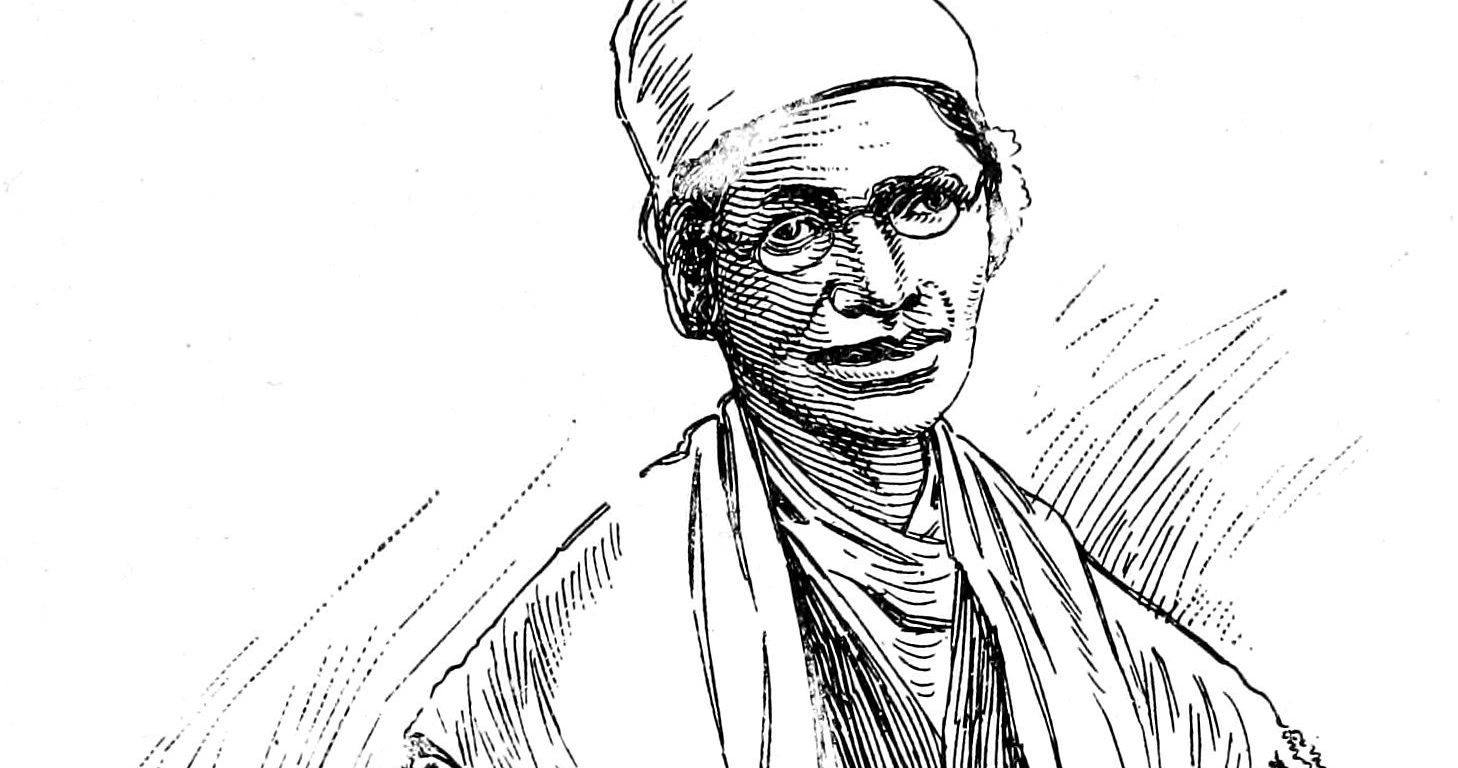
Image: Sojourner Truth, Wikimedia Commons
 The Footnote
