An Open Letter To National Archives Museum From A Journalist

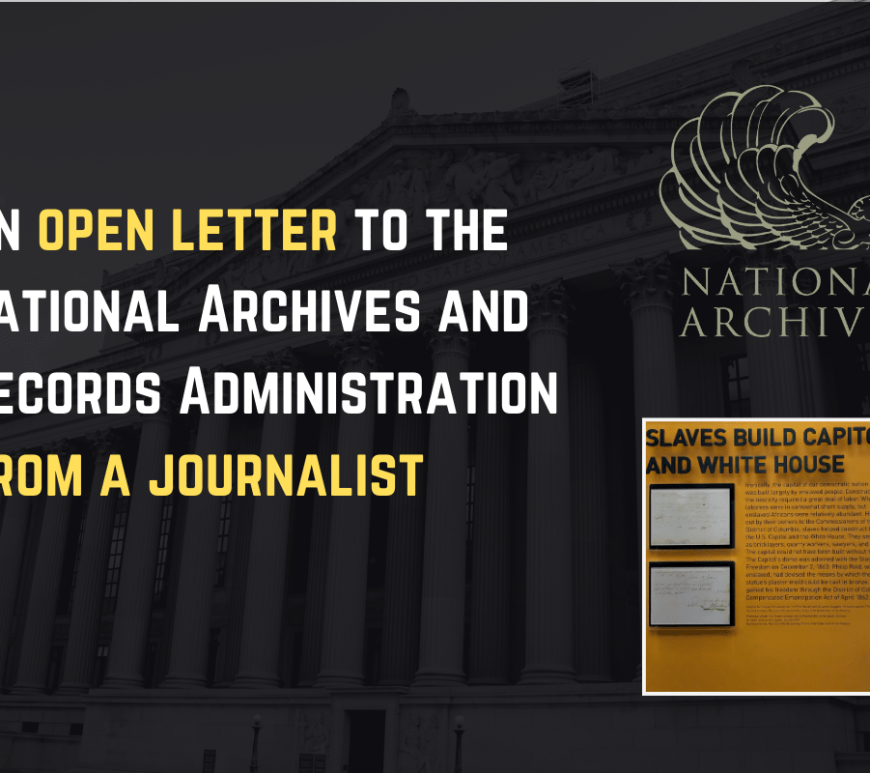
Archit Mehta In Fall 2023, Archit authored “Decoding Systemic Racism in the Artifact ‘Slaves Build Capital and White House’ at the National Archives Museum” for the Critical Discourse Analysis class at Georgetown University’s MA Communication, Culture and Technology. Since then he has presented this work at the 2024 annual conference of the Association for the Study of African American Life and History (ASALH – the founders of … Continue reading An Open Letter To National Archives Museum From A Journalist

Review of Do Not Say We Have Nothing

Jenna Marcus Madeleine Thien’s Do Not Say We Have Nothing is a stunning work of historical fiction that brings to life twentieth century China in heartfelt, thought-provoking, and beautifully devastating ways. Spanning seven decades, the story traces three generations of two interconnected families amidst the backdrop of the Chinese Civil War, Mao’s Great Leap Forward, the Cultural Revolution, the Tiananmen Square protests, and modern-day China and Hong … Continue reading Review of Do Not Say We Have Nothing

The Witch of Northampton: On ancestry research and family lineage

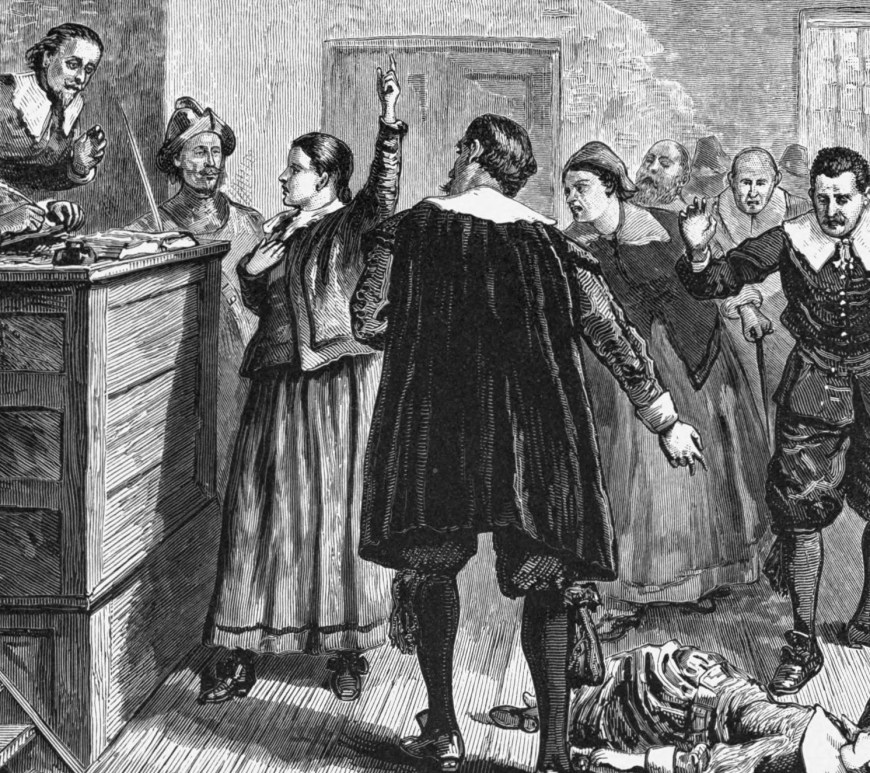
Maddie Densmore My interest in genealogy began well before I became a historian. In fact, it began well before I fully understood what it even was. As a child, I found myself watching a documentary show with my mom from time to time — “Who Do You Think You Are.” Adapted from a British version of the same name, it follows celebrities as they team up … Continue reading The Witch of Northampton: On ancestry research and family lineage

The Past, in the Present: The Conundrum of Historical Memory

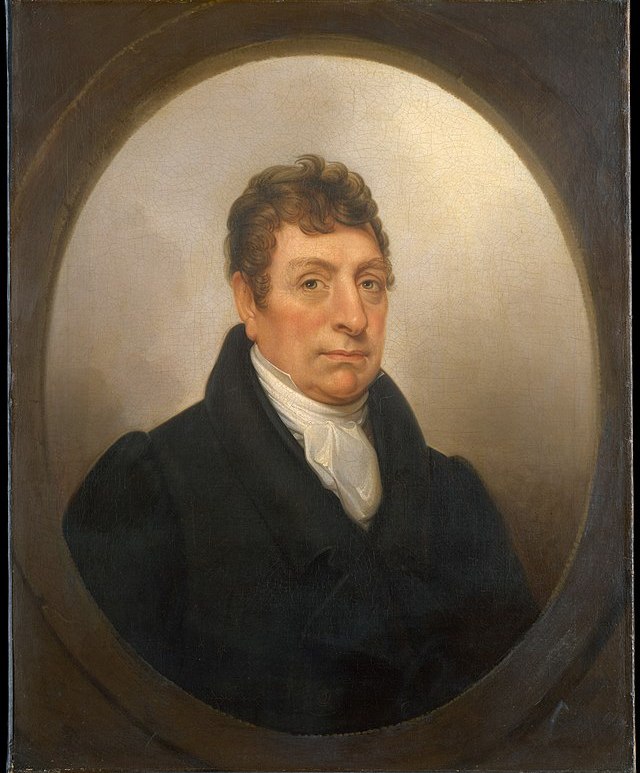
Megan Huang 2024 marks the bicentennial of the return of Gilbert du Motier, the Marquis de Lafayette, to the United States, almost fifty years after he first sailed for North America to aid the American Revolution. Lafayette had dreamed of coming back to the United States for years, but having been deeply enmeshed in the considerable turmoil and change of his home country of France, … Continue reading The Past, in the Present: The Conundrum of Historical Memory

The Voodoo Queen Marie Laveau: A Historical Figure Caught Between Myth and Reality 

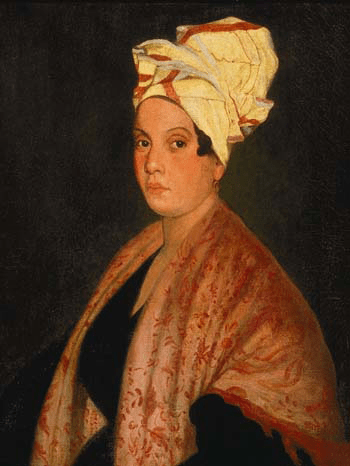
Megan Emery For those who haven’t watched American Horror Story season three, I highly recommend firing up your Hulu subscription. For those who’ve watched it, this article addresses one of the season’s most beloved and feared protagonists—the Voodoo Queen, Marie Laveau. American Horror Story frequently takes artistic liberty with real historical figures. Season three includes Madame Delphine LaLaurie, a New Orleans socialite who tortured her … Continue reading The Voodoo Queen Marie Laveau: A Historical Figure Caught Between Myth and Reality 

Review of Genocide in Libya: Shar, a Hidden Colonial History

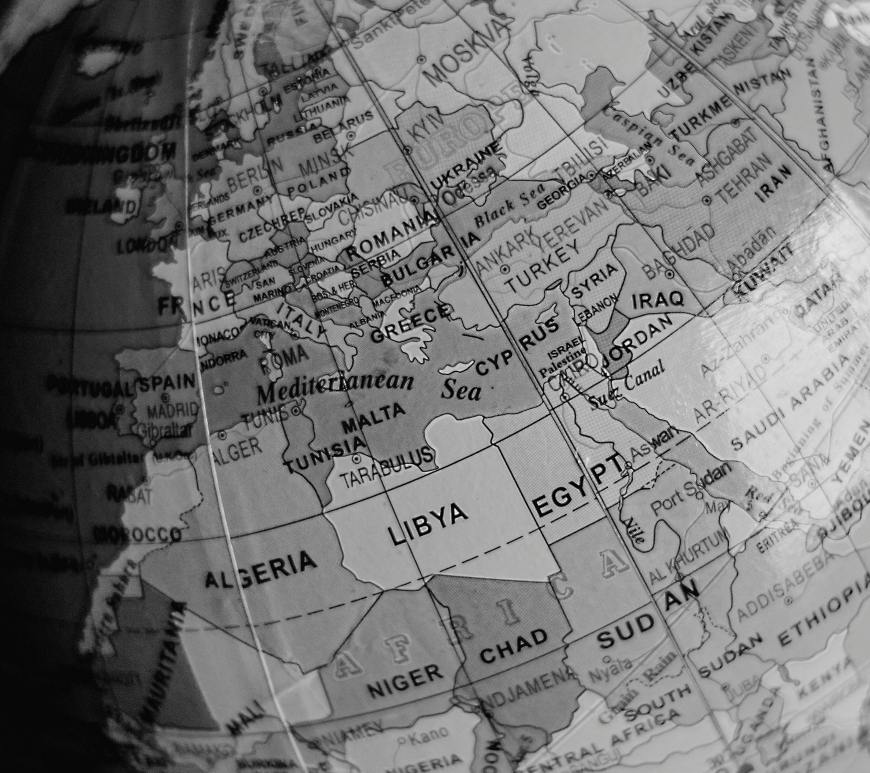
Vishnu Raghavan Note: This article contains descriptions of violence, torture, genocide, and death. After World War II, Italians associated with Mussolini and the dictatorship did not undergo criminal trials as far-reaching, prominent, or punishing as those faced by the Nazis at Nuremberg. Additionally, Italian anti-Jewish legislation emerged much later than similar laws in Nazi Germany, with the passage of the Italian Racial Laws in 1938. As a result, … Continue reading Review of Genocide in Libya: Shar, a Hidden Colonial History

Graduate Students Reflect on Their Summer Research

From DC to Krakow, Georgetown history graduate students spent their summers conducting research across the globe. We sat down with Megan Huang (second-year MA), Maddie Densmore (second-year MA), and Megan Emery (second-year PhD) to discuss their experiences and tips and demystify the historical research process.  Tell us about your summer research! What is your research topic and where did you go? Megan Huang: I interned … Continue reading Graduate Students Reflect on Their Summer Research

When We All Burn: Understanding the “Long 2010s” with “Long 1960s” U.S. in the World Historiography

Philip LaRue It was the “mass protest decade”—not the “long 1960s,” but the “long 2010s,” beginning with 2008’s global financial crisis. Journalist Vincent Bevins traveled the globe in search of lessons from the past decade’s global street revolt in 2023’s If We Burn: The Mass Protest Decade and the Missing Revolution. Bevins argues that “by taking a truly global approach, we can see which factors … Continue reading When We All Burn: Understanding the “Long 2010s” with “Long 1960s” U.S. in the World Historiography

Zoo 3.0: How China’s Animal Icons Are Leading the Technological Revolution

Shawn Liu Last July, I visited a robotics company in Shenzhen through a collaborative initiative by the Hong Kong Science and Technology Park and the Greater Bay Area office to explore technological innovation in China. UBTech Robots, a leading humanoid robotics firm in China, guided us through elaborate showcases and exhibition rooms dedicated to cutting-edge robotic technologies. From automated AI wheelchairs adroit at navigating obstacles … Continue reading Zoo 3.0: How China’s Animal Icons Are Leading the Technological Revolution

W(h)ither Nauru: The Case for More Historical Scholarship on Postcolonial Island Nations

Philip LaRue Buried in Dr. J.R. McNeill’s 1994 “Of Rats and Men: A Synoptic Environmental History of the Island Pacific” is a tantalizing datapoint. The people of Nauru, one of the islands of McNeill’s study, were apparently then “fortunate: none of them need[ed] work.” After renegotiating extractive colonial-era phosphate mining leases in 1968, Nauruans reached higher per capita incomes than Saudis or Swiss by the … Continue reading W(h)ither Nauru: The Case for More Historical Scholarship on Postcolonial Island Nations