A Raciolinguistic Perspective? On the History of Spanish Speakers in the US in the Era of Bad Bunny

Patrick Grey Last week on Sunday, February 1, Bad Bunny became the first artist to win the Grammy Award for Album of the Year for his record sung entirely in Spanish. His sixth studio album, “Debí Tirar Más Fotos,” discusses many themes such as Puerto Rican culture and diaspora, the island’s struggle with gentrification driving out locals, and a nostalgic call to keep our memories … Continue reading A Raciolinguistic Perspective? On the History of Spanish Speakers in the US in the Era of Bad Bunny

Why We Should Care About Southeast Asians’ Reactions to the Bombing of Hiroshima and Nagasaki Part 2

Tim Esau Please be advised that this essay contains artistic depictions of sexual violence and atrocity. When I first conceived of this article, I believed that while the bombings of Hiroshima and Nagasaki may have been justified by the lives they saved in Southeast Asia. Yet after the esteemed pProfessor Toshihiro Higuchi reviewed my equivocation-heavy first draft, he recommended a monograph titled Bombing Civilians that … Continue reading Why We Should Care About Southeast Asians’ Reactions to the Bombing of Hiroshima and Nagasaki Part 2

Why We Should Care About Southeast Asians’ Reactions to the Bombing of Hiroshima and Nagasaki Part 1

Tim Esau Historians have long shirked moral judgements in their studies, favoring epistemological conservatism. Many fear the unavoidable presentism of moral judgements, thereby appealing to moral subjectivism. Thus, historians dread the damage done to “objective history” by bias or personal preference. One does not need to be an academic to recognize the contemporary preference towards epistemological conservatism which arose after the existential debates over objectivism … Continue reading Why We Should Care About Southeast Asians’ Reactions to the Bombing of Hiroshima and Nagasaki Part 1

A Forgotten Greek–Turkish Textbook: Mukālemāt-ı Türkiye-i Rûmiye ve Rûmiye-i Türkiye by Ioannis P. Miliopoulos

Fatma Esen On Sunday, November 2, 2025, Mary Tezak and I wandered through the Feriköy Antique Bazaar in Istanbul, looking for anything connected to our research on Hatay and Trabzon. Deep inside the market, we stopped at one of the largest stalls, crowded with old photographs and press materials. Digging through a box of mixed papers, postcards, newspapers, a wedding card written in Armenian, a … Continue reading A Forgotten Greek–Turkish Textbook: Mukālemāt-ı Türkiye-i Rûmiye ve Rûmiye-i Türkiye by Ioannis P. Miliopoulos

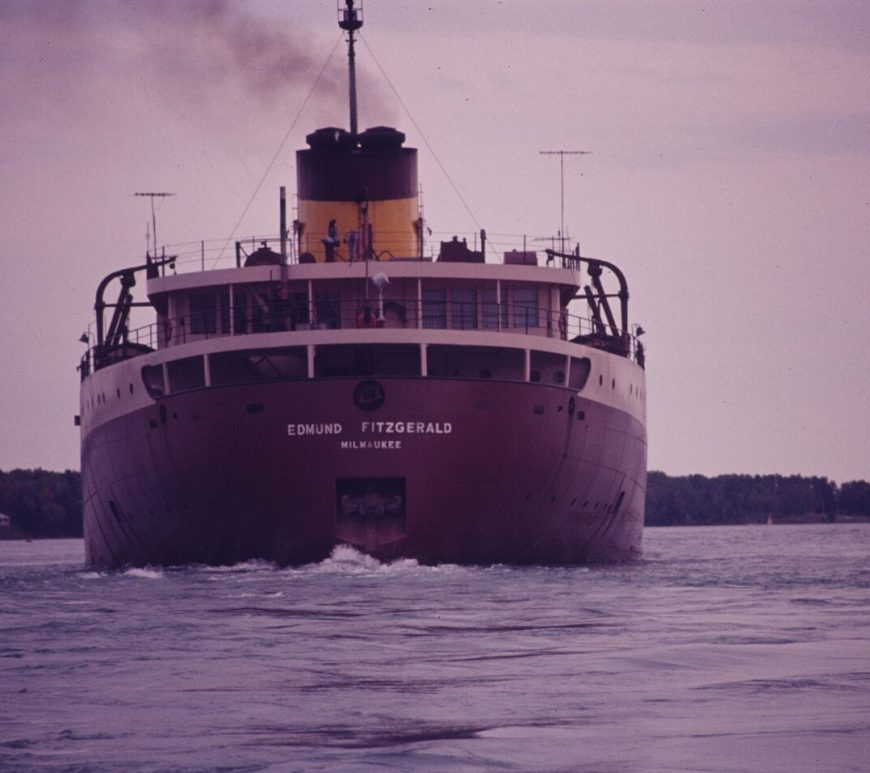
The Wreck of the SS Edmund Fitzgerald and its Legacy in the Great Lakes

Madi Campbell November 10, 2025, marks the 50th anniversary of the sinking of the SS Edmund Fitzgerald, and its legacy undoubtedly continues to haunt Lake Superior. Once the largest Great Lakes freighter, the doomed ship was famously immortalized in Canadian folk singer Gordon Lightfoot’s 1976 song “The Wreck of the Edmund Fitzgerald,” solidifying its status as a folk symbol. Each year, communities around the lake … Continue reading The Wreck of the SS Edmund Fitzgerald and its Legacy in the Great Lakes

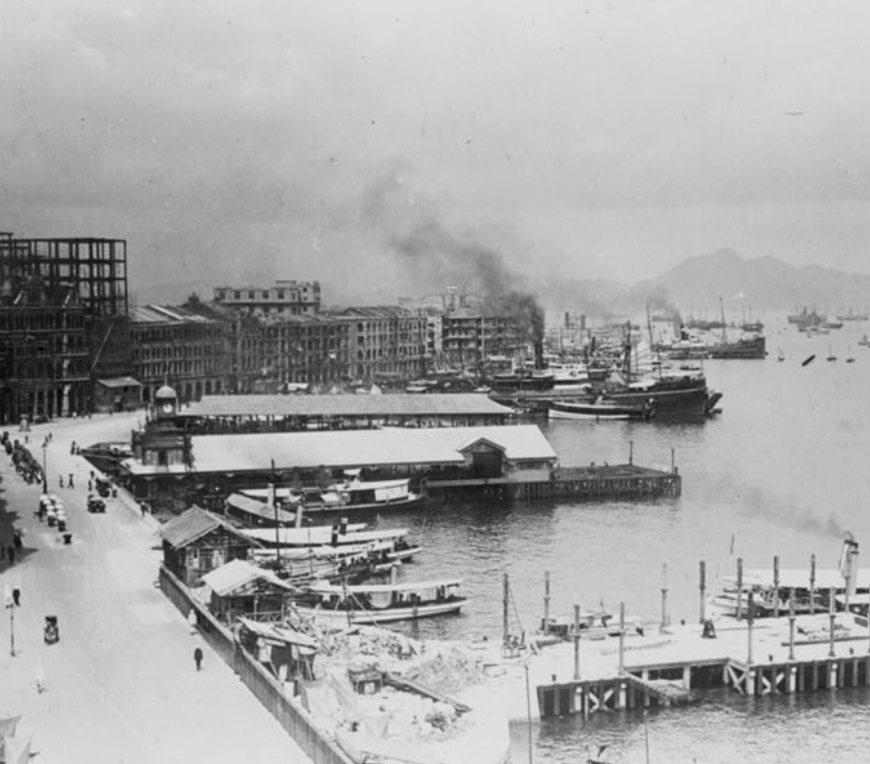
A Local History of Hong Kong

Shawn Liu Central Asia has long been imagined less as a place and more as a passage. In travelogues, school maps, and even much scholarship, it appears as a corridor—the Silk Road that carried goods and ideas between “centers” like China, Persia, or Europe. Historian Adeeb Khalid warns against this flattening: to see Central Asia only as a “road between somewhere and somewhere else” erases … Continue reading A Local History of Hong Kong

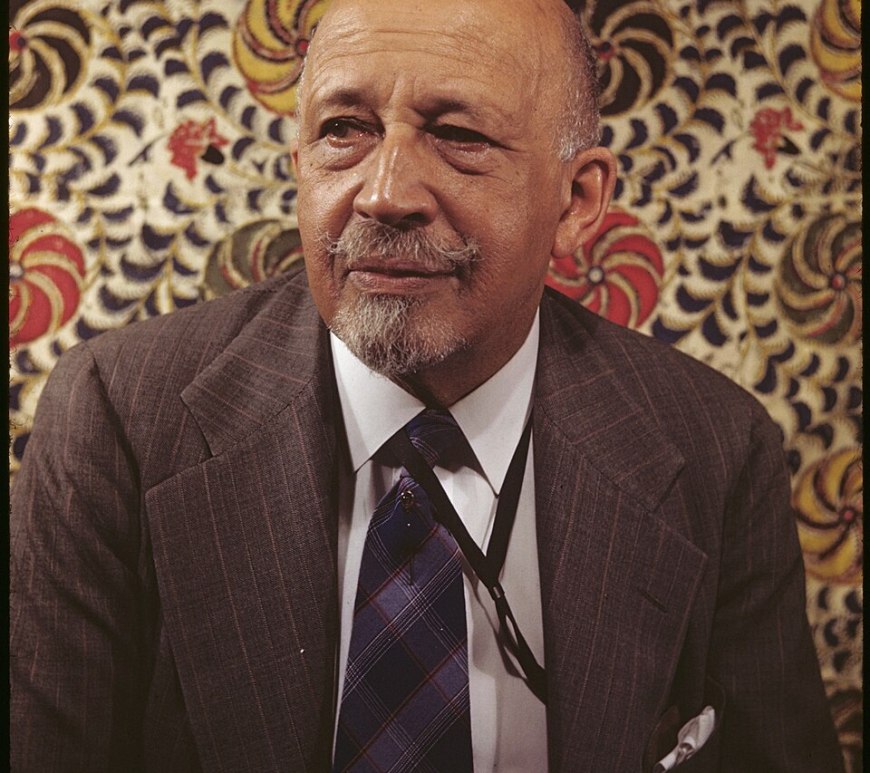
An Oral History of a Native Son: The Elaine Massacre and its Living Memory

Patrick Grey On September 30, 1919, Black sharecroppers throughout Phillips County, Arkansas convened in a church in the town of Elaine to discuss fairer cotton prices for the fall sale and plan how to increase Black land ownership among Black farmers. Armed guards stood just outside of the church while white police officers were in a car parked nearby. Not long after the meeting began, … Continue reading An Oral History of a Native Son: The Elaine Massacre and its Living Memory

Foreign Tourism Development in Colonized Spaces: From Gaza to the Caribbean

Rosie Click Donald Trump spoke about transforming Gaza into the “Riviera of the Middle East” in a joint press conference with Israel in February of this year. His idea for the “redevelopment” involved forcing Palestinians to leave Gaza while hotels, casinos, beachside resorts, and restaurants were built, presumably by foreign companies. Later in the month, Trump posted an AI-generated video to his Truth Social account … Continue reading Foreign Tourism Development in Colonized Spaces: From Gaza to the Caribbean

Esperanto, Nationalism, and Bureaucracy in the League of Nations: A Language Caught in the Crossfire

Aidan Pritchard From its humble beginnings as an unnamed language in 1887, to the forefront of the League of Nations’ debate on auxiliary languages, Esperanto – meaning ‘one who hopes’ – has aimed to promote global peace and cooperation. The artificial language’s inventor, Ludwik Zamenhof, had grown up in Bialystok, Poland, a city populated by Poles, Russians, Germans, and Jews. The city’s linguistic barriers exacerbated … Continue reading Esperanto, Nationalism, and Bureaucracy in the League of Nations: A Language Caught in the Crossfire

Jianbi Qingye: The Environmental Warfare of the Taiping Rebellion: Walls of War, Fields of Fire 

Shawn Liu The Taiping Rebellion is infamous for being one of the bloodiest civil wars in history, but it was also an ecological catastrophe. While historian John Fincher has described the conflict as a “heavily saturated topic” in historical scholarship, its ecological dimensions remain strikingly underexplored. Beyond the well-documented clashes of ideologies and armies, another form of destruction took place, one measured not in human … Continue reading Jianbi Qingye: The Environmental Warfare of the Taiping Rebellion: Walls of War, Fields of Fire