In Defense of Political History: Thoughts and Tantrums from a PhD Student

Victoria Saeki-Serna Political history today is in peril. In my years of study, plenty of my professors and peers have professed their prejudice against political history, criticizing its overbearing Hegelianism and its insistence that government individuals and institutions are the only influencers of history. Political historians today are an endangered species, their approach hunted by endless epithets in emerging historical studies. Characterized as elitist and … Continue reading In Defense of Political History: Thoughts and Tantrums from a PhD Student

Capitalism: A Reflection

Dr. Sarah Ellington The politics of capitalism are confusing.  Even for political scientists, “capitalism” does not mean the same thing to all people, all the time.  Interwoven into news stories about modern healthcare in the United States, used as a scapegoat and a saviour for the rise and fall of technologies and innovations, and omnipresent in nearly every political discussion, capitalism is a word thrown … Continue reading Capitalism: A Reflection

Celebrating Hispanic Heritage Month: From Latinidad to Latinidades

João Gabriel Rabello Sodré Latin America is a large and complex region. It comprises various states and peoples, but also a myriad of biomes, geological features, microclimates, among other earthly variations. One may be baffled that a nonstop flight from Los Angeles to São Paulo, Brazil, takes over twelve hours, an hour more than a plane trip to Madrid. The Amazon rainforest covers various countries … Continue reading Celebrating Hispanic Heritage Month: From Latinidad to Latinidades

Neo-Tsarist Foreign Policy: From Tsardom to Stardom

Krystel von Kumberg It is important to consider how international security has evolved since Russian Tsardom (1547-1721) and the Russian Empire (1721-1917). Logic would dictate that as new dynamic threats emerge, Russia’s national and foreign security objectives would change, as national and foreign policy largely depend on the staging of the international landscape. However, despite new developments, Putin’s stardom suggests that, on the surface, not … Continue reading Neo-Tsarist Foreign Policy: From Tsardom to Stardom

A Triangle of Impossibilities: The Israeli Lebanese Maritime Border

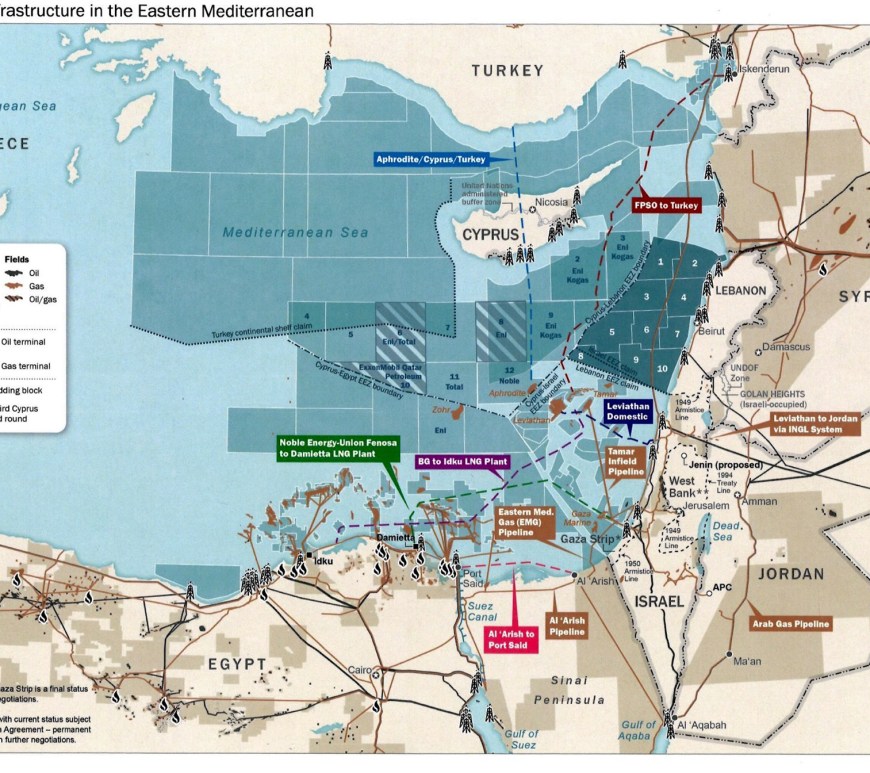
Rawan Chaker Globalization, advances in technology, and intensifying economic competition between states have amplified oceans’ importance in international affairs. Access to maritime spaces means access to natural resources and foreign direct investment. While clearly defined borders are one of the foundations for national sovereignty, these borders become much more ambiguous in maritime spaces. The unique cultural and geopolitical history of the Arab-Israeli conflict has produced … Continue reading A Triangle of Impossibilities: The Israeli Lebanese Maritime Border

Reckoning with the Past: Nazi-Looted Art Restitution in Austria

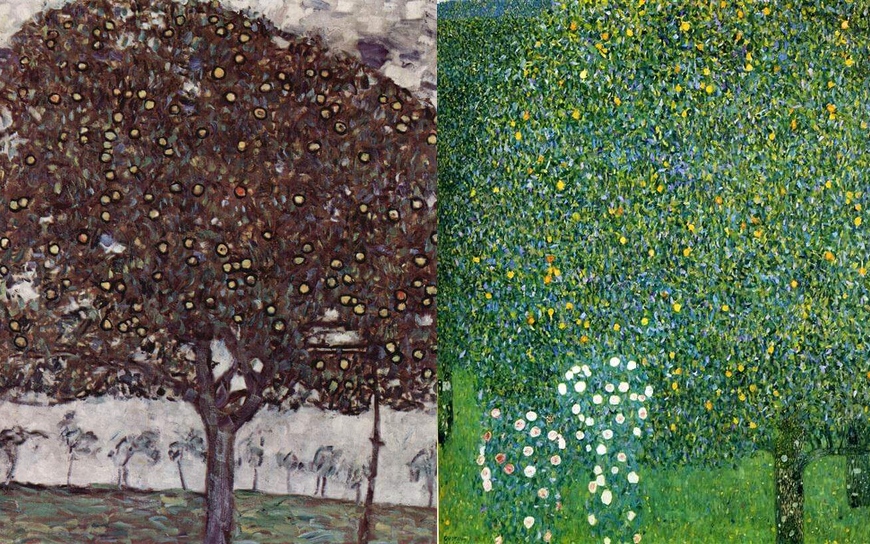
Kathleen Walsh In 2015, the Austrian Commission for Provenance Research announced that a painting by the famous Austrian artist Gustav Klimt had been restituted to the wrong family. The initial research confused two Klimt paintings that Nazis stole from Jewish families during World War II: “Apple Tree II” and “Roses Under the Trees.” While the heirs of Nora Stiasny–an Austrian Jewish art collector killed in … Continue reading Reckoning with the Past: Nazi-Looted Art Restitution in Austria

How One Missing Data Point Can Illustrate a History of Amazigh Exclusion

Elizabeth Pantaleon While many would say that a picture is worth a thousand words, I would argue that one data point can be just as powerful. For that matter, so can the absence of data. An elusive yet illustrative finding that would pack such a punch is the exact cancer incidence rate among Amazigh patients from the Rif region compared to other areas in Morocco. … Continue reading How One Missing Data Point Can Illustrate a History of Amazigh Exclusion

What is Liberia to a US Historian? Bicentennial Reflections Part II

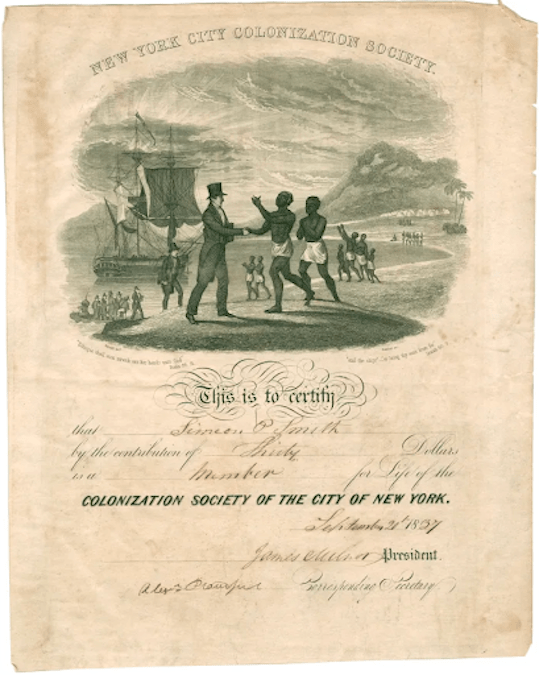
Casey Donahue Few nations’ founding loom so large in the American imagination. In US historiography, the pursuit of the Liberian Republic—begun in the early 1820s and realized in 1847—is perhaps the most highly symbolized origin story of any nation that is not the United States. It appears in our national narratives not as a critical study of African state-building, but as a palimpsest, on which … Continue reading What is Liberia to a US Historian? Bicentennial Reflections Part II

An Agreeable Liberian History: Bicentennial Reflections Part I

Casey Donahue Liberia is putting a new spin on an old story. A bicentennial marking the arrival of the republic’s first American settlers has elicited proud nostalgia for the civic values they brought with them; but it also conjures painful memories of the unequal and ethnically stratified society they launched. In their quest to reconcile the anniversary’s contentious dual meanings, Liberian leaders have promoted a … Continue reading An Agreeable Liberian History: Bicentennial Reflections Part I

The NBA and the War on Drugs

Mariam Aiyad In July, the NBA dismissed the Toronto Raptors’ rookie guard Jalen Harris for violating the league’s Anti-Drug Program. While reports never specified which “drug of abuse” Harris tested positive for, it is notable that he was not accused of using performance-enhancing drugs (PEDs) to gain an unfair advantage over other players. The NBA targeted him for recreational usage. Harris’s dismissal does not reflect … Continue reading The NBA and the War on Drugs