State of the Field: Latin American History

Ariel David Greenberg Just as Latin American history has been influenced by broader shifts in the field of history towards subjects such as the study of family, epidemics, and science, the field of Latin American history is increasingly being shaped by systems theory in analyzing the first genuinely global highways and institutions. It analyzes and interrogates the networks that operated as the highways of the … Continue reading State of the Field: Latin American History

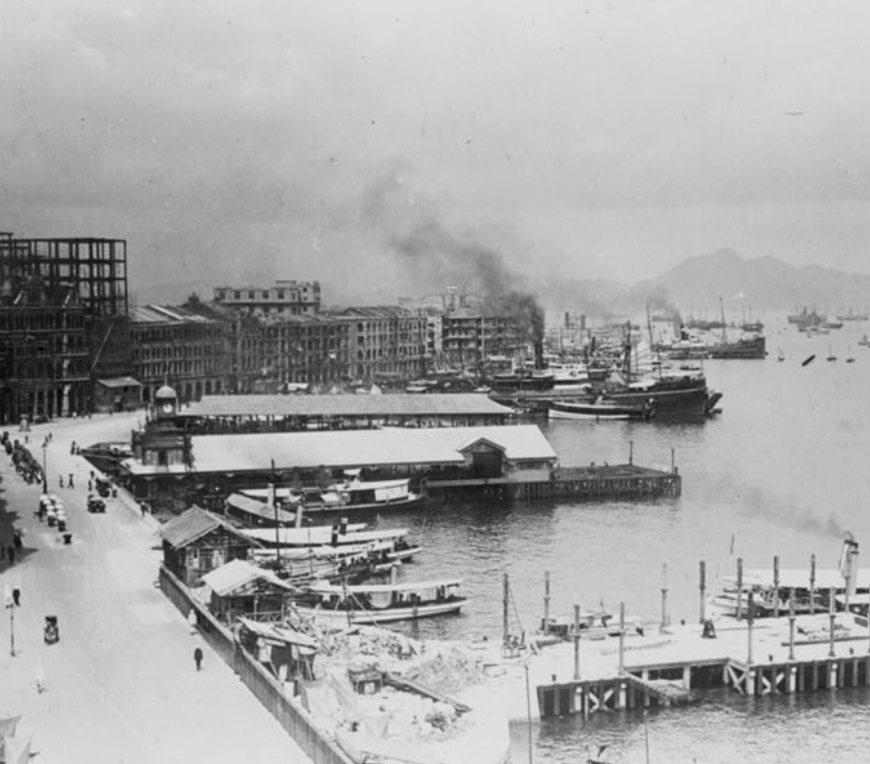
A Local History of Hong Kong

Shawn Liu Central Asia has long been imagined less as a place and more as a passage. In travelogues, school maps, and even much scholarship, it appears as a corridor—the Silk Road that carried goods and ideas between “centers” like China, Persia, or Europe. Historian Adeeb Khalid warns against this flattening: to see Central Asia only as a “road between somewhere and somewhere else” erases … Continue reading A Local History of Hong Kong

Is it a good time to be a Normanist?

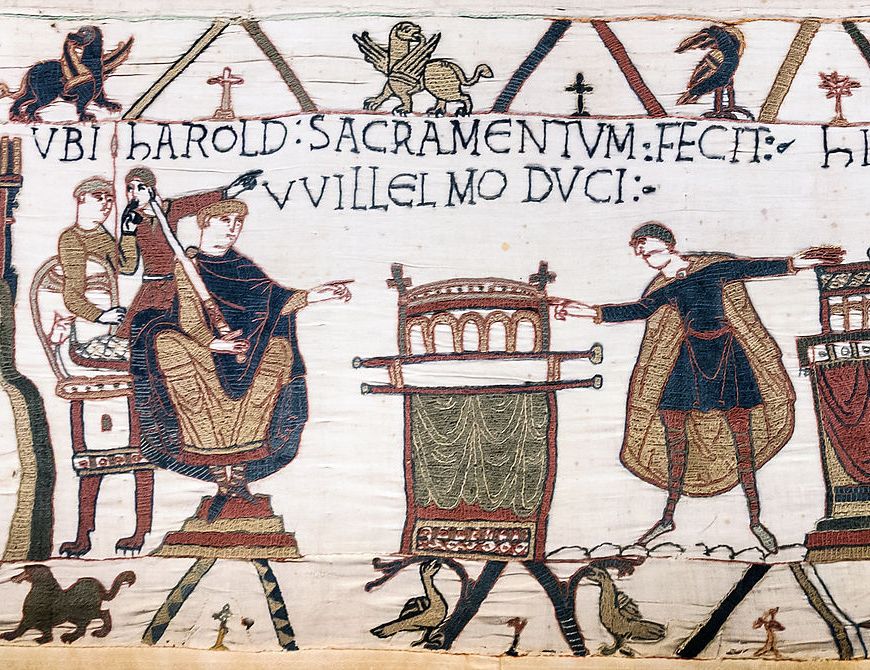
Luca Barison Today (October 14, 2025) is the 959th anniversary of the Battle of Hastings (AD 1066), a turning point in Norman history. The question I pose in the title of this piece has been very important to me in the last few years. Since I am aware that it won’t be as equally pressing to the majority of readers, I am going to explain … Continue reading Is it a good time to be a Normanist?

W(h)ither Nauru: The Case for More Historical Scholarship on Postcolonial Island Nations

Philip LaRue Buried in Dr. J.R. McNeill’s 1994 “Of Rats and Men: A Synoptic Environmental History of the Island Pacific” is a tantalizing datapoint. The people of Nauru, one of the islands of McNeill’s study, were apparently then “fortunate: none of them need[ed] work.” After renegotiating extractive colonial-era phosphate mining leases in 1968, Nauruans reached higher per capita incomes than Saudis or Swiss by the … Continue reading W(h)ither Nauru: The Case for More Historical Scholarship on Postcolonial Island Nations

Scalpel and Prism: Social Science and the Humanities in the Historian’s Toolkit

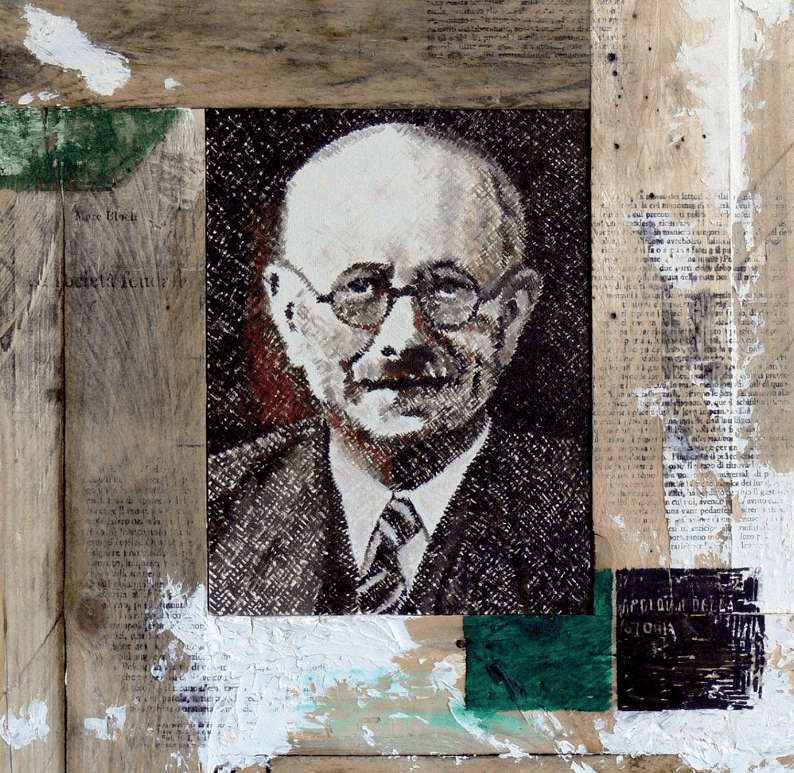
Zhenhao (Oscar) Yu Historian Marc Bloch argues that young colleagues should not pigeonhole themselves in the category of either social science or humanities. In his view, historians are quintessential scientists because they collaborate with scientists in other fields and incorporate new methodologies into their studies. They use science as a scalpel to dissect dramatic themes such as geological or linguistic changes. In their role as … Continue reading Scalpel and Prism: Social Science and the Humanities in the Historian’s Toolkit

A Golden Ticket: Employing Hypothetical Situations and Questions in the History Classroom

Rosie Click I always loved “choose your own adventure” books as a kid—the excitement of picking right, the risk of picking wrong, the seemingly endless possible combinations of choices and variety of satisfying endings. In some of the books, the perfect ending, known as the “Golden Ticket” ending, can only be achieved by choosing the exact correct combination of paths. The history of the “gamebook,” … Continue reading A Golden Ticket: Employing Hypothetical Situations and Questions in the History Classroom

The Anthropocene Comes to an End: Humans and Nature 

 Zhenhao Yu The Anthropocene is the period of time when humans influence their natural environment in many ways, such as prehistoric agriculture, the Columbian Exchange, the Industrial Revolution, and nuclear power. Although many scholars are debating which historical event marks the beginning of the Anthropocene, I argue that the term Anthropocene itself is problematic in understanding global history, and essentially, the relationship between humans and … Continue reading The Anthropocene Comes to an End: Humans and Nature 

On Decolonizing Academia

Mariam Aiyad On April 9, 2015, the University of Cape Town removed a statue of Cecil Rhodes from its campus. Since then, the debate about the need to “decolonize academia” has flooded the international scene. Student movements at the University of Cape Town and the University of Oxford, under the hashtag #RhodesMustFall, used their demands for the removal of statues of the British colonialist from … Continue reading On Decolonizing Academia

Making History in a Covid Haze

Loren Galesi This Covid year has made me feel closer to the past. More exactly, it’s made me feel like I have a better chance of getting close to an unfamiliar past. The strange months dividing my old and new normals have made me more aware of my distance from history, from all past lives and past normals. Any doubt I might have had that … Continue reading Making History in a Covid Haze