Why We Should Care About Southeast Asians’ Reactions to the Bombing of Hiroshima and Nagasaki Part 1

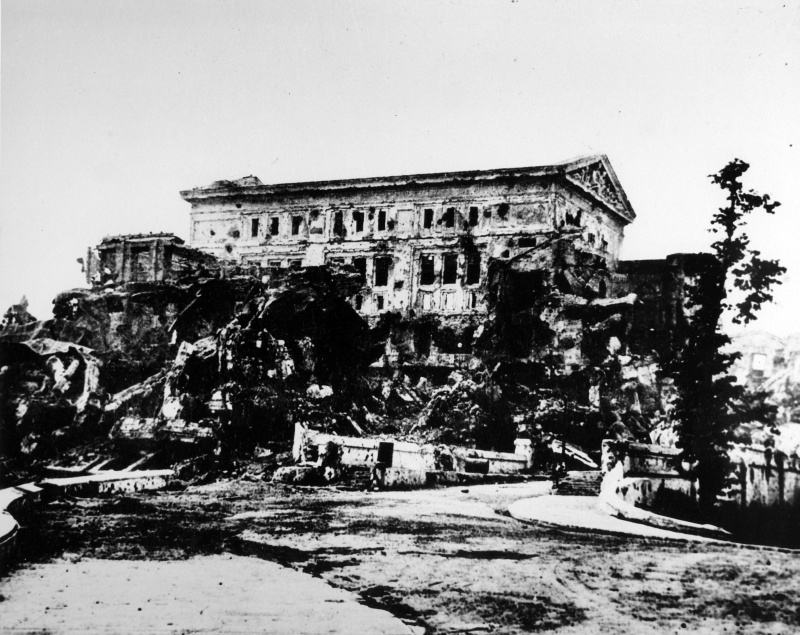
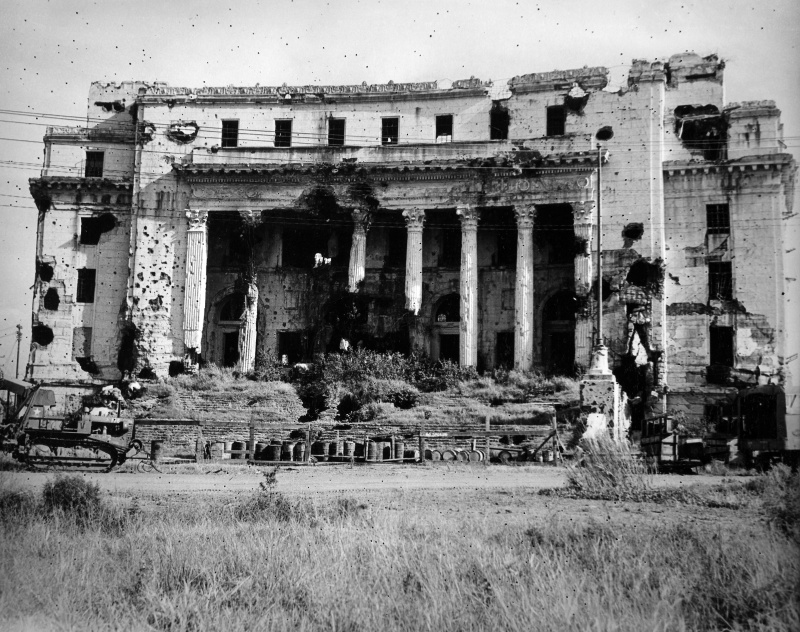
Tim Esau Historians have long shirked moral judgements in their studies, favoring epistemological conservatism. Many fear the unavoidable presentism of moral judgements, thereby appealing to moral subjectivism. Thus, historians dread the damage done to “objective history” by bias or personal preference. One does not need to be an academic to recognize the contemporary preference towards epistemological conservatism which arose after the existential debates over objectivism … Continue reading Why We Should Care About Southeast Asians’ Reactions to the Bombing of Hiroshima and Nagasaki Part 1

A Forgotten Greek–Turkish Textbook: Mukālemāt-ı Türkiye-i Rûmiye ve Rûmiye-i Türkiye by Ioannis P. Miliopoulos

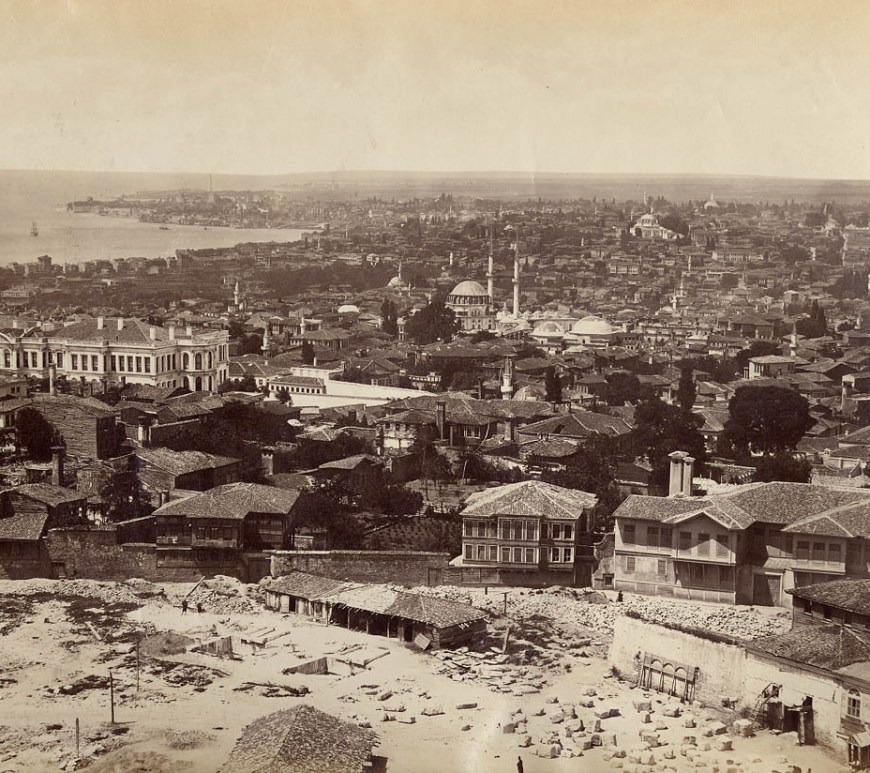
Fatma Esen On Sunday, November 2, 2025, Mary Tezak and I wandered through the Feriköy Antique Bazaar in Istanbul, looking for anything connected to our research on Hatay and Trabzon. Deep inside the market, we stopped at one of the largest stalls, crowded with old photographs and press materials. Digging through a box of mixed papers, postcards, newspapers, a wedding card written in Armenian, a … Continue reading A Forgotten Greek–Turkish Textbook: Mukālemāt-ı Türkiye-i Rûmiye ve Rûmiye-i Türkiye by Ioannis P. Miliopoulos

State of the Field: Latin American History

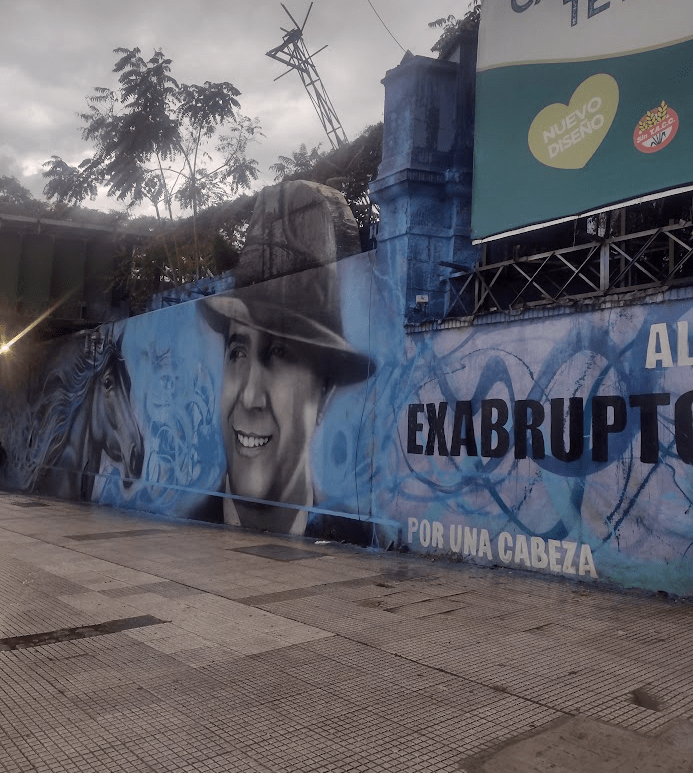
Ariel David Greenberg Just as Latin American history has been influenced by broader shifts in the field of history towards subjects such as the study of family, epidemics, and science, the field of Latin American history is increasingly being shaped by systems theory in analyzing the first genuinely global highways and institutions. It analyzes and interrogates the networks that operated as the highways of the … Continue reading State of the Field: Latin American History

The Wreck of the SS Edmund Fitzgerald and its Legacy in the Great Lakes

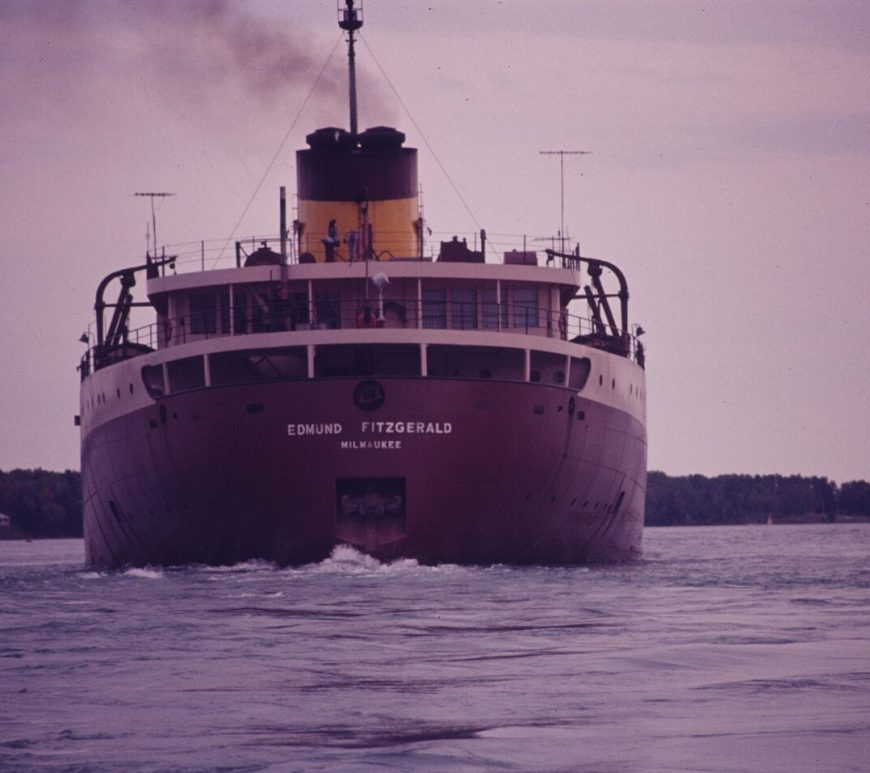
Madi Campbell November 10, 2025, marks the 50th anniversary of the sinking of the SS Edmund Fitzgerald, and its legacy undoubtedly continues to haunt Lake Superior. Once the largest Great Lakes freighter, the doomed ship was famously immortalized in Canadian folk singer Gordon Lightfoot’s 1976 song “The Wreck of the Edmund Fitzgerald,” solidifying its status as a folk symbol. Each year, communities around the lake … Continue reading The Wreck of the SS Edmund Fitzgerald and its Legacy in the Great Lakes

A Local History of Hong Kong

Shawn Liu Central Asia has long been imagined less as a place and more as a passage. In travelogues, school maps, and even much scholarship, it appears as a corridor—the Silk Road that carried goods and ideas between “centers” like China, Persia, or Europe. Historian Adeeb Khalid warns against this flattening: to see Central Asia only as a “road between somewhere and somewhere else” erases … Continue reading A Local History of Hong Kong

A Reading List in Honor of Hispanic/Latinx Heritage Month

Patrick Grey To celebrate the start of Hispanic/Latinx Heritage Month, The Footnote reviewed some classic and recent works spotlighting the history, culture, and work of Latinx people. Diaspora, resistance, and solidarity are some of the major themes in this book list. We hope that our readers can use this list to explore the contributions of Latinx people within and outside of the academy, in the … Continue reading A Reading List in Honor of Hispanic/Latinx Heritage Month

Graduating MAGIC Students Reflect on their Experiences

As the year comes to a close, The Footnote invited graduating MAGIC students to reflect on their academic and personal journeys at Georgetown. Hear from four of them below! Having made it to the finish line, what advice would you give to incoming students? Maddie Densmore: Everybody gets imposter syndrome at some point here. Don’t let it get to you; everyone grows so much during … Continue reading Graduating MAGIC Students Reflect on their Experiences

Graduate Students Reflect on Their Summer Research

From DC to Krakow, Georgetown history graduate students spent their summers conducting research across the globe. We sat down with Megan Huang (second-year MA), Maddie Densmore (second-year MA), and Megan Emery (second-year PhD) to discuss their experiences and tips and demystify the historical research process.  Tell us about your summer research! What is your research topic and where did you go? Megan Huang: I interned … Continue reading Graduate Students Reflect on Their Summer Research

Mapping History: Using ArcGIS to Make History More Accessible

Rae Neville “A map does not just chart, it unlocks and formulates meaning; it forms bridges between here and there, between disparate ideas that we did not know were previously connected.”  – Reif Larsen, The Selected Works of T.S. Spivet Mapping and other forms of digital visualization offer unique opportunities to academics wishing to make their work more accessible to the public. As a historian … Continue reading Mapping History: Using ArcGIS to Make History More Accessible

From the Footnote Archives: Staff Favorites

Some of the Footnote staff members have gone back through the archives to find some of our favorite articles from the past few years! Hopefully we will inspire you to take a journey back through the Footnote catalog and recall some of your favorites, too. Rae Neville, Outreach Coordinator: “Romance and Nostalgia in the Coffeehouse” by Kathleen Walsh Coffee is a huge part of my … Continue reading From the Footnote Archives: Staff Favorites