Graduating MAGIC Students Reflect on their Experiences

As the year comes to a close, The Footnote invited graduating MAGIC students to reflect on their academic and personal journeys at Georgetown. Hear from four of them below! Having made it to the finish line, what advice would you give to incoming students? Maddie Densmore: Everybody gets imposter syndrome at some point here. Don’t let it get to you; everyone grows so much during … Continue reading Graduating MAGIC Students Reflect on their Experiences

Graduate Students Reflect on Their Summer Research

From DC to Krakow, Georgetown history graduate students spent their summers conducting research across the globe. We sat down with Megan Huang (second-year MA), Maddie Densmore (second-year MA), and Megan Emery (second-year PhD) to discuss their experiences and tips and demystify the historical research process.  Tell us about your summer research! What is your research topic and where did you go? Megan Huang: I interned … Continue reading Graduate Students Reflect on Their Summer Research

Mapping History: Using ArcGIS to Make History More Accessible

Rae Neville “A map does not just chart, it unlocks and formulates meaning; it forms bridges between here and there, between disparate ideas that we did not know were previously connected.”  – Reif Larsen, The Selected Works of T.S. Spivet Mapping and other forms of digital visualization offer unique opportunities to academics wishing to make their work more accessible to the public. As a historian … Continue reading Mapping History: Using ArcGIS to Make History More Accessible

From the Footnote Archives: Staff Favorites

Some of the Footnote staff members have gone back through the archives to find some of our favorite articles from the past few years! Hopefully we will inspire you to take a journey back through the Footnote catalog and recall some of your favorites, too. Rae Neville, Outreach Coordinator: “Romance and Nostalgia in the Coffeehouse” by Kathleen Walsh Coffee is a huge part of my … Continue reading From the Footnote Archives: Staff Favorites

What’s on my Cherry Blossom Playlist?

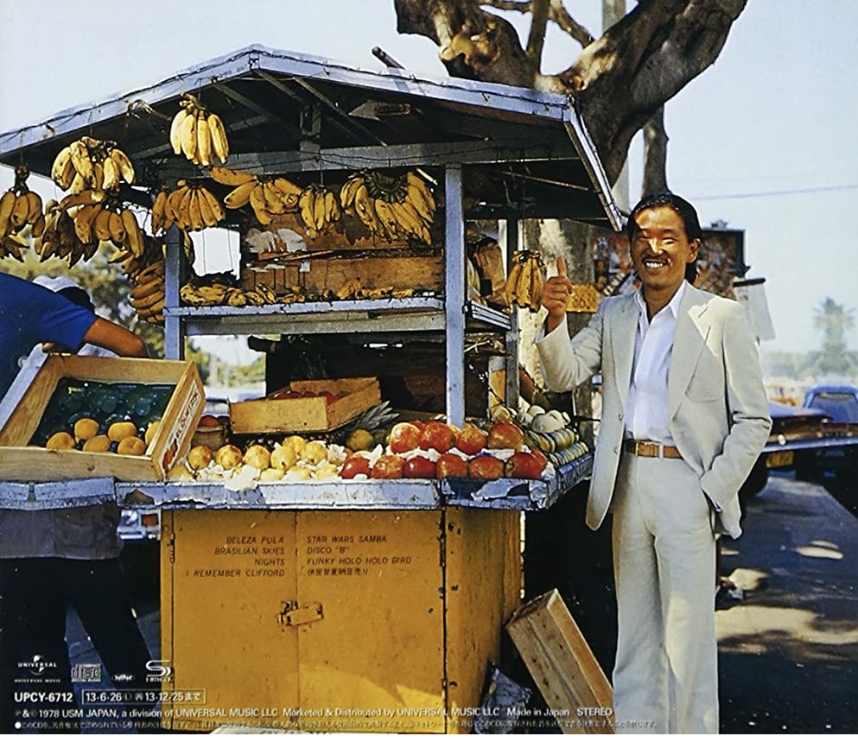
A personal exploration of the music history behind my favorite songs for spring! Sareena Dubey Set to the backdrop of billowing cherry blossom petals and a Tidal Basin burgeoning with people, Masayoshi Takanaka’s song “Beleza Pula” interrupts the peace with the sharply spoken phrase “Beleza Pula, Malandro!” The distinct birdlike sound of the cuica contrasts with the soft background vocals which trail the upbeat melody … Continue reading What’s on my Cherry Blossom Playlist?

Scalpel and Prism: Social Science and the Humanities in the Historian’s Toolkit

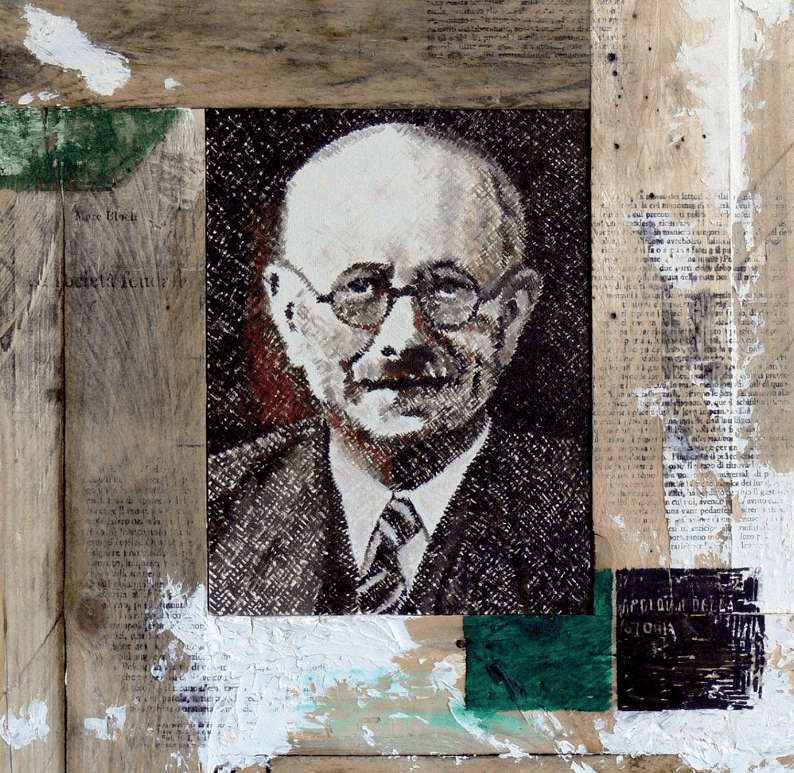
Zhenhao (Oscar) Yu Historian Marc Bloch argues that young colleagues should not pigeonhole themselves in the category of either social science or humanities. In his view, historians are quintessential scientists because they collaborate with scientists in other fields and incorporate new methodologies into their studies. They use science as a scalpel to dissect dramatic themes such as geological or linguistic changes. In their role as … Continue reading Scalpel and Prism: Social Science and the Humanities in the Historian’s Toolkit

Neo-Tsarist Foreign Policy: From Tsardom to Stardom

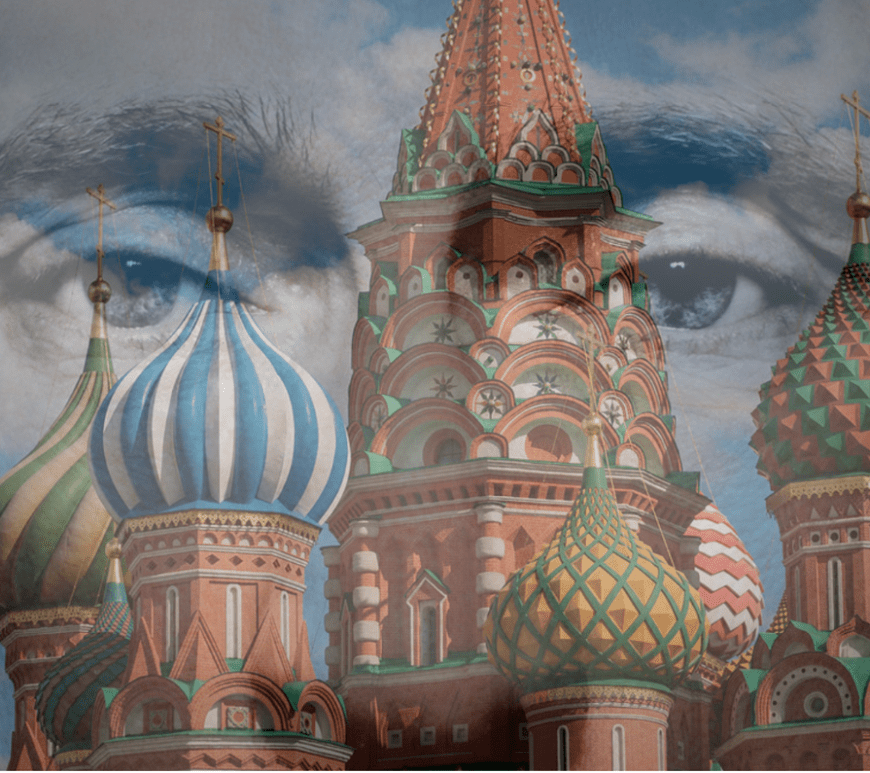
Krystel von Kumberg It is important to consider how international security has evolved since Russian Tsardom (1547-1721) and the Russian Empire (1721-1917). Logic would dictate that as new dynamic threats emerge, Russia’s national and foreign security objectives would change, as national and foreign policy largely depend on the staging of the international landscape. However, despite new developments, Putin’s stardom suggests that, on the surface, not … Continue reading Neo-Tsarist Foreign Policy: From Tsardom to Stardom

The Anthropocene Comes to an End: Humans and Nature 

 Zhenhao Yu The Anthropocene is the period of time when humans influence their natural environment in many ways, such as prehistoric agriculture, the Columbian Exchange, the Industrial Revolution, and nuclear power. Although many scholars are debating which historical event marks the beginning of the Anthropocene, I argue that the term Anthropocene itself is problematic in understanding global history, and essentially, the relationship between humans and … Continue reading The Anthropocene Comes to an End: Humans and Nature 

Historia y Guerra en la Niebla: Historical Vagueness in Disney’s Encanto

Miguel Ángel Torres Yunda Encanto (2021) details the lives of the Madrigal family and the struggle to heal from generational trauma. From the beginning of Encanto, the film focuses on setting the location of Encanto as a Colombian town by displaying items such as arepas, sombreros vueltiaos, mochilas Wayuu, ajiaco soup, or with Colombia written on maps or painted on the side of a house. … Continue reading Historia y Guerra en la Niebla: Historical Vagueness in Disney’s Encanto

A Triangle of Impossibilities: The Israeli Lebanese Maritime Border

Rawan Chaker Globalization, advances in technology, and intensifying economic competition between states have amplified oceans’ importance in international affairs. Access to maritime spaces means access to natural resources and foreign direct investment. While clearly defined borders are one of the foundations for national sovereignty, these borders become much more ambiguous in maritime spaces. The unique cultural and geopolitical history of the Arab-Israeli conflict has produced … Continue reading A Triangle of Impossibilities: The Israeli Lebanese Maritime Border