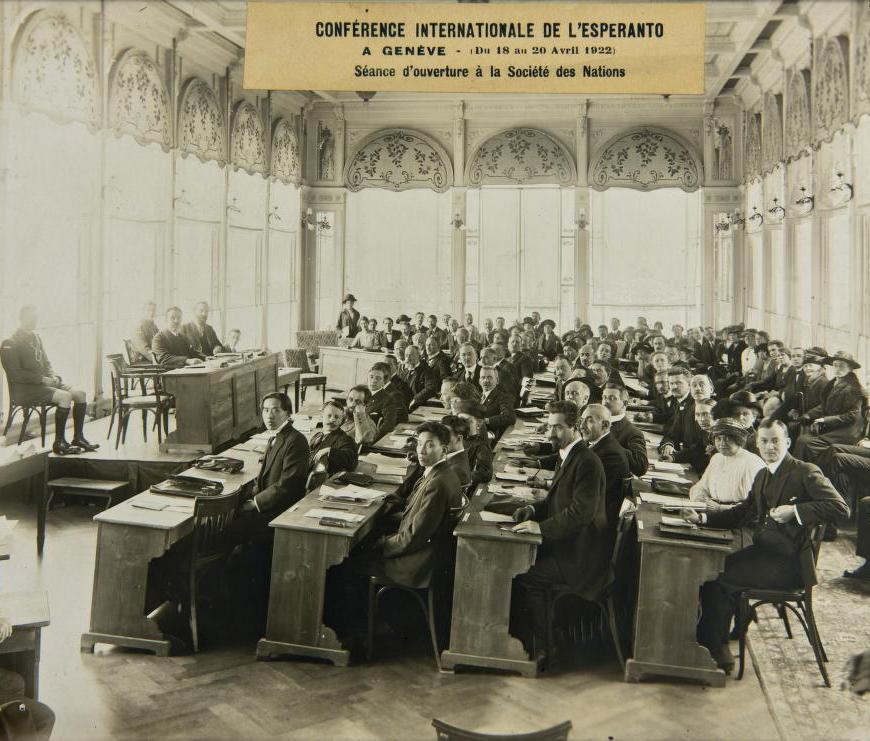
Esperanto, Nationalism, and Bureaucracy in the League of Nations: A Language Caught in the Crossfire

Aidan Pritchard From its humble beginnings as an unnamed language in 1887, to the forefront of the League of Nations’ debate on auxiliary languages, Esperanto – meaning ‘one who hopes’ – has aimed to promote global peace and cooperation. The artificial language’s inventor, Ludwik Zamenhof, had grown up in Bialystok, Poland, a city populated by Poles, Russians, Germans, and Jews. The city’s linguistic barriers exacerbated … Continue reading Esperanto, Nationalism, and Bureaucracy in the League of Nations: A Language Caught in the Crossfire

Tell Us About Your Summer! Interviews with PhD and MAGIC Students about their Summer Research Experiences

Over the past few weeks, Rosie Click and Sareena Dubey interviewed Georgetown History graduate students about their summer experiences. The first interview about summer teaching experiences was published on September 5th, and the second interview about summer language programs was published last week. This interview features Georgetown History PhD student J. Alexander Killion and MAGIC students Jason Roeder and Tanushree Bhatia, who talked to us … Continue reading Tell Us About Your Summer! Interviews with PhD and MAGIC Students about their Summer Research Experiences

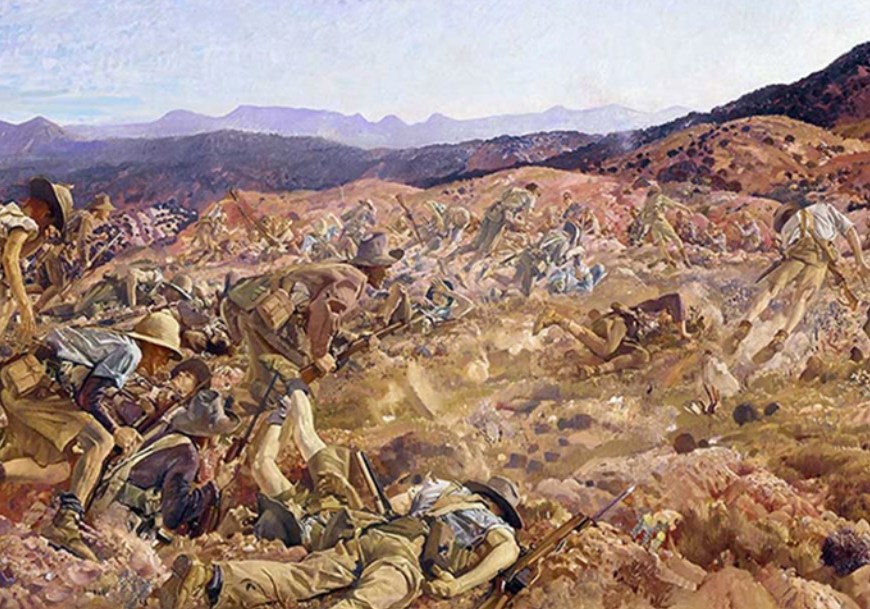
The Effect of Australian New Wave Cinema on the “Anzac Legend” of WWI

Josh Downes April 25 is Anzac Day in Australia and New Zealand. This national day is a commemoration in both countries of all those who have served and died in military operations. More specifically, this year marks the 108th anniversary of Australian and New Zealand troops landing on the shores of Gallipoli (in what is now Türkiye) during the First World War. The sacrifice of … Continue reading The Effect of Australian New Wave Cinema on the “Anzac Legend” of WWI