Why We Should Care About Southeast Asians’ Reactions to the Bombing of Hiroshima and Nagasaki Part 1

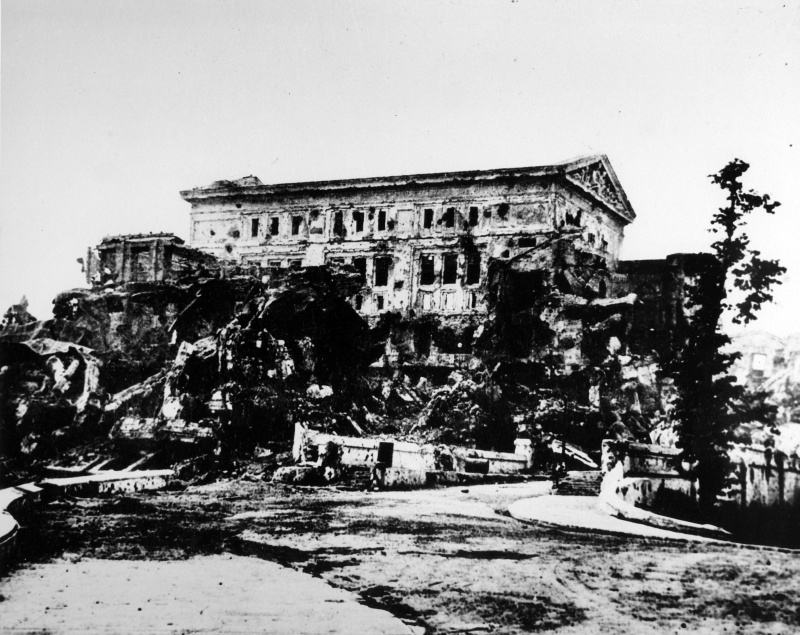
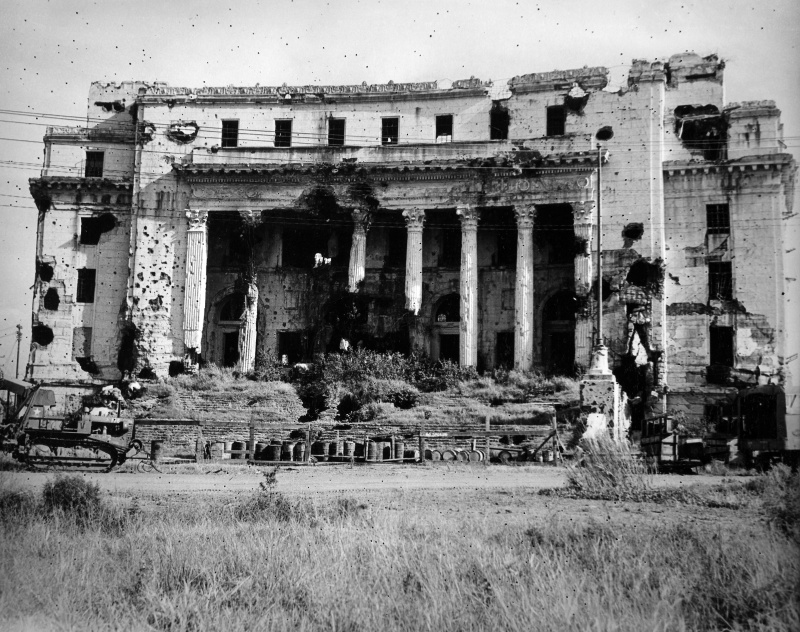
Tim Esau Historians have long shirked moral judgements in their studies, favoring epistemological conservatism. Many fear the unavoidable presentism of moral judgements, thereby appealing to moral subjectivism. Thus, historians dread the damage done to “objective history” by bias or personal preference. One does not need to be an academic to recognize the contemporary preference towards epistemological conservatism which arose after the existential debates over objectivism … Continue reading Why We Should Care About Southeast Asians’ Reactions to the Bombing of Hiroshima and Nagasaki Part 1

A Forgotten Greek–Turkish Textbook: Mukālemāt-ı Türkiye-i Rûmiye ve Rûmiye-i Türkiye by Ioannis P. Miliopoulos

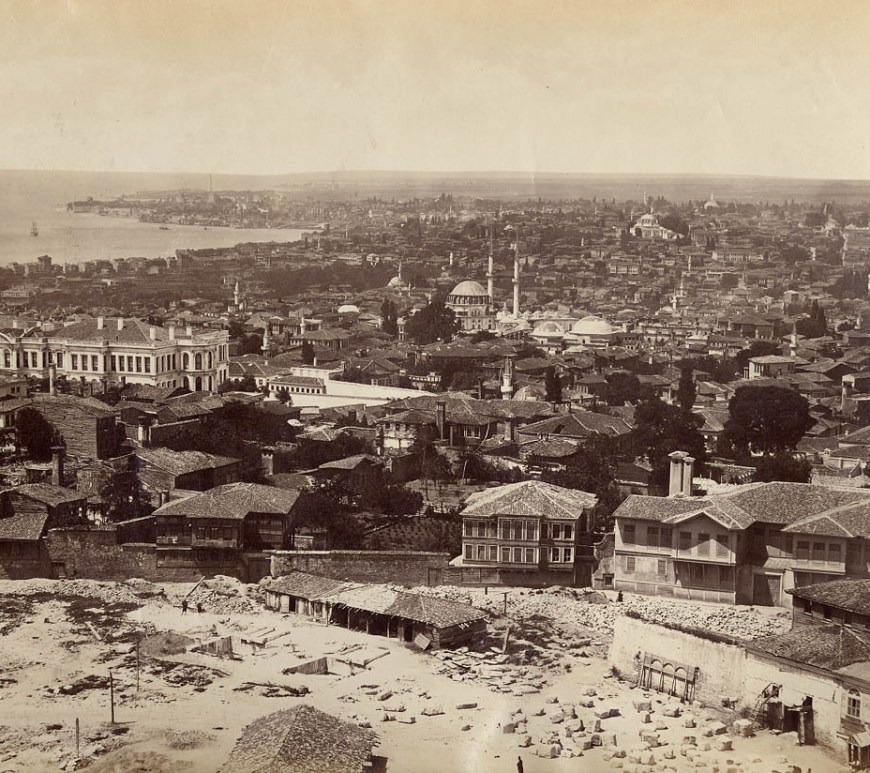
Fatma Esen On Sunday, November 2, 2025, Mary Tezak and I wandered through the Feriköy Antique Bazaar in Istanbul, looking for anything connected to our research on Hatay and Trabzon. Deep inside the market, we stopped at one of the largest stalls, crowded with old photographs and press materials. Digging through a box of mixed papers, postcards, newspapers, a wedding card written in Armenian, a … Continue reading A Forgotten Greek–Turkish Textbook: Mukālemāt-ı Türkiye-i Rûmiye ve Rûmiye-i Türkiye by Ioannis P. Miliopoulos

State of the Field: Latin American History

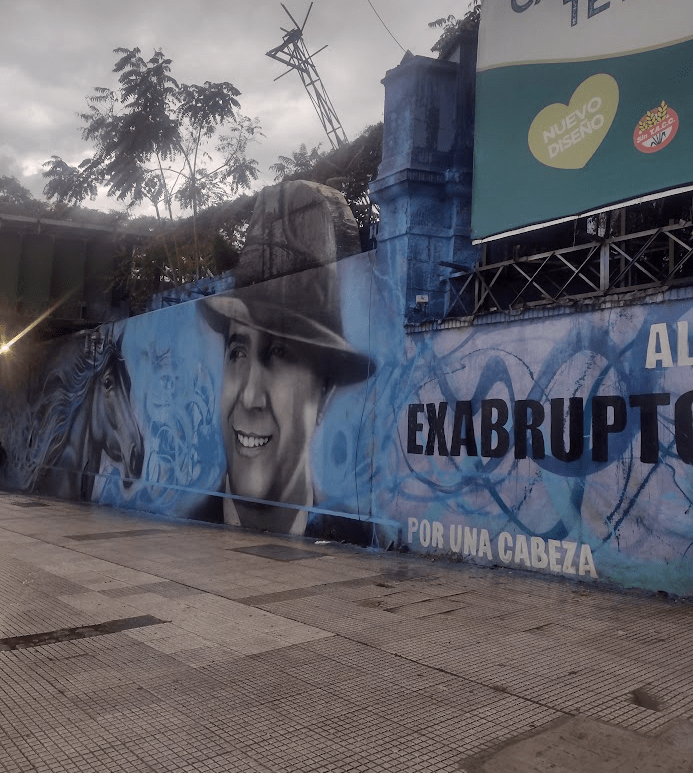
Ariel David Greenberg Just as Latin American history has been influenced by broader shifts in the field of history towards subjects such as the study of family, epidemics, and science, the field of Latin American history is increasingly being shaped by systems theory in analyzing the first genuinely global highways and institutions. It analyzes and interrogates the networks that operated as the highways of the … Continue reading State of the Field: Latin American History

The Wreck of the SS Edmund Fitzgerald and its Legacy in the Great Lakes

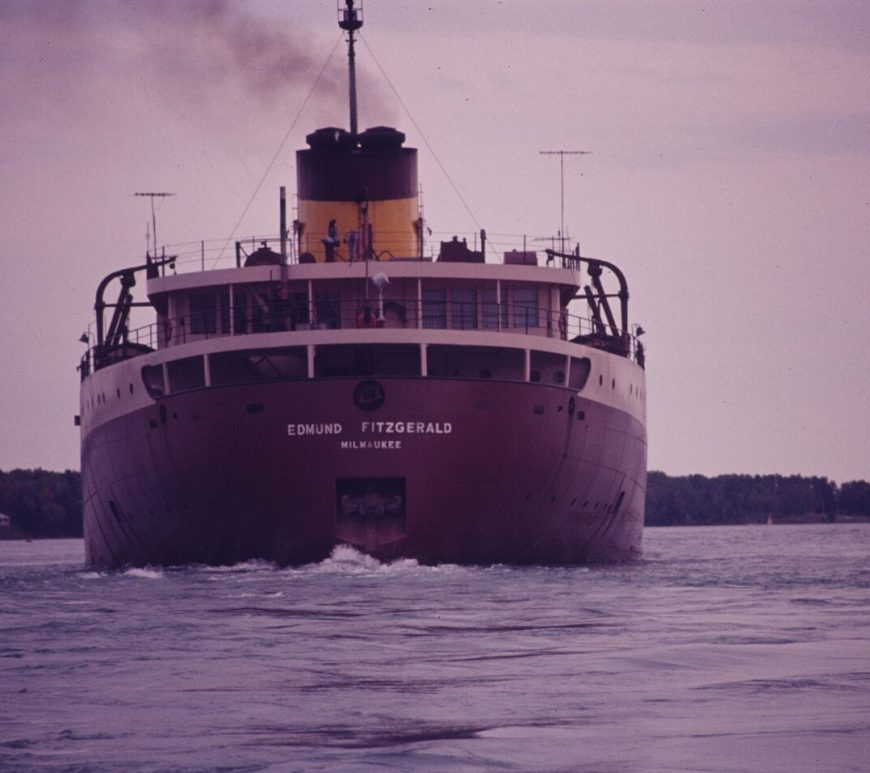
Madi Campbell November 10, 2025, marks the 50th anniversary of the sinking of the SS Edmund Fitzgerald, and its legacy undoubtedly continues to haunt Lake Superior. Once the largest Great Lakes freighter, the doomed ship was famously immortalized in Canadian folk singer Gordon Lightfoot’s 1976 song “The Wreck of the Edmund Fitzgerald,” solidifying its status as a folk symbol. Each year, communities around the lake … Continue reading The Wreck of the SS Edmund Fitzgerald and its Legacy in the Great Lakes

A Local History of Hong Kong

Shawn Liu Central Asia has long been imagined less as a place and more as a passage. In travelogues, school maps, and even much scholarship, it appears as a corridor—the Silk Road that carried goods and ideas between “centers” like China, Persia, or Europe. Historian Adeeb Khalid warns against this flattening: to see Central Asia only as a “road between somewhere and somewhere else” erases … Continue reading A Local History of Hong Kong

Interview with Dr. John Lisle on his new book, The Dirty Tricks Department

This week, The Footnote interviewed Dr. John Lisle, a historian of Science and the American Intelligence Community from Azle, Texas. He earned a PhD in history from the University of Texas, where he teaches classes on the history of science. His first book, The Dirty Tricks Department: Stanley Lovell, the OSS and the Masterminds of World War II Secret Warfare, sheds light on the scientists … Continue reading Interview with Dr. John Lisle on his new book, The Dirty Tricks Department

Interview with Dr. Rory Cormac on his new book, How to Stage a Coup

This week, The Footnote interviewed renowned author, professor, and Intelligence historian Rory Cormac about his newest book: How To Stage A Coup: And Ten Other Lessons from the World of Secret Statecraft. The book systematically exposes the gray zone in our post-truth era of implausible deniability and ambiguous warfare. Cormac flawlessly integrates discussions of recent events with historic case studies to provide thoughtful insights on … Continue reading Interview with Dr. Rory Cormac on his new book, How to Stage a Coup

A Golden Ticket: Employing Hypothetical Situations and Questions in the History Classroom

Rosie Click I always loved “choose your own adventure” books as a kid—the excitement of picking right, the risk of picking wrong, the seemingly endless possible combinations of choices and variety of satisfying endings. In some of the books, the perfect ending, known as the “Golden Ticket” ending, can only be achieved by choosing the exact correct combination of paths. The history of the “gamebook,” … Continue reading A Golden Ticket: Employing Hypothetical Situations and Questions in the History Classroom

The Anthropocene Comes to an End: Humans and Nature 

 Zhenhao Yu The Anthropocene is the period of time when humans influence their natural environment in many ways, such as prehistoric agriculture, the Columbian Exchange, the Industrial Revolution, and nuclear power. Although many scholars are debating which historical event marks the beginning of the Anthropocene, I argue that the term Anthropocene itself is problematic in understanding global history, and essentially, the relationship between humans and … Continue reading The Anthropocene Comes to an End: Humans and Nature 

Making Race, Minting Guineas: Why Four Countries Share a Name

John Ramming Chappell In September 2021, a military coup unseated Alpha Condé, Guinea’s president since 2010. The same month, the United States renewed efforts to capture Antonio Indjai, an ex-general and drug-trafficking suspect living in Guinea Bissau. Meanwhile, the U.S. government announced that $27 million seized from Teodorin Nguema Obiang Mangue, Vice President of Equatorial Guinea, would be used to buy COVID-19 vaccines for the … Continue reading Making Race, Minting Guineas: Why Four Countries Share a Name